

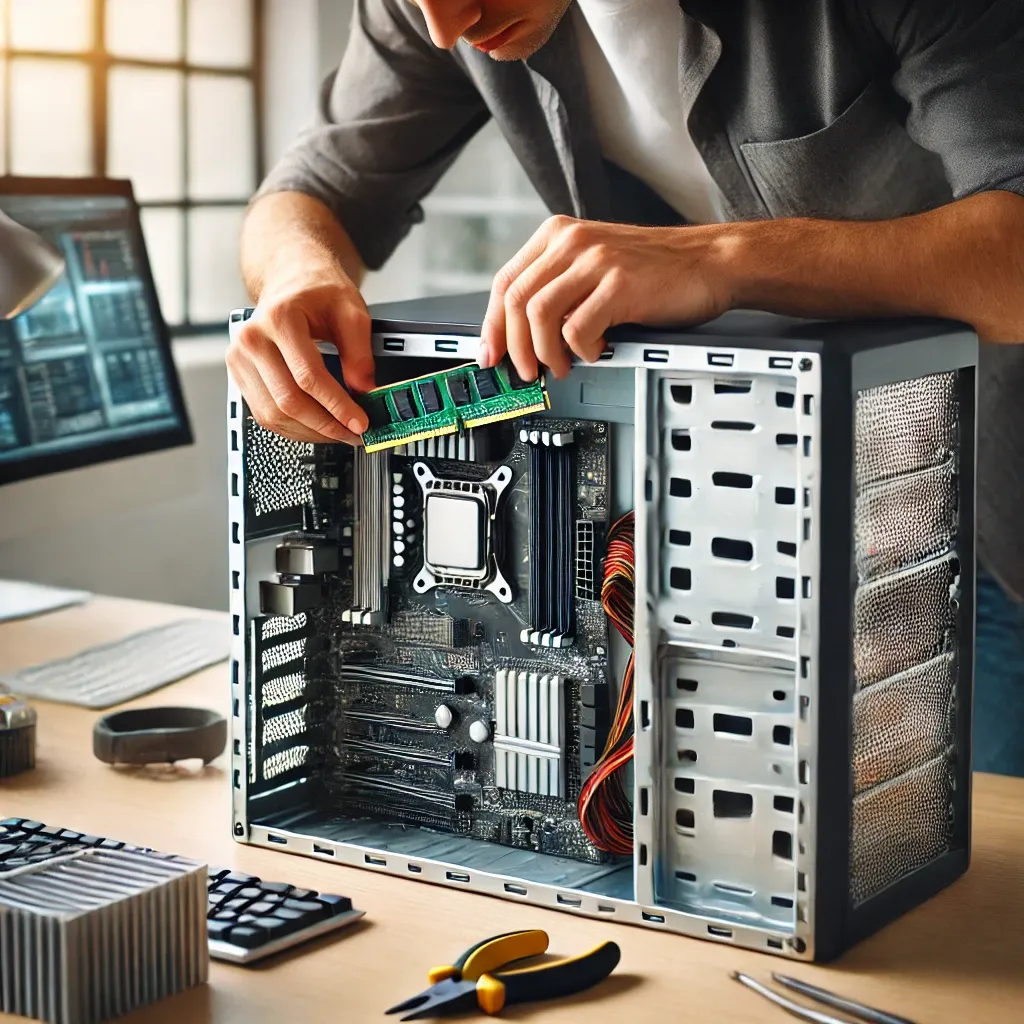
Many people reach a point where their computer no longer feels as fast as it once did. Programs may take longer to open, multitasking becomes frustrating, and everyday work starts requiring more patience. At that moment, buying a new computer often seems like the obvious answer. However, replacing an entire system is not always necessary. In many cases, professional computer repair services can recommend computer hardware upgrade solutions that deliver noticeable improvements at a much lower cost. Therefore, before investing in a brand-new machine, it is worth understanding when an upgrade may be the smarter choice.
A Slow Computer Does Not Always Mean an Outdated Computer
One of the biggest misconceptions is that slow performance automatically means a computer has reached the end of its life. In reality, many systems still have capable processors and reliable components. Instead, the problem may be limited memory, insufficient storage speed, or aging hardware that can be upgraded.
For example, a computer with a traditional hard drive may feel sluggish even though the rest of the system works well. Consequently, upgrading to a solid-state drive can dramatically improve startup times and application performance. This is why computer hardware upgrade solutions are often considered before recommending full replacement.
Think About What You Actually Need
Not every user requires the newest computer on the market. Many people in Prince George use their systems for email, office work, online meetings, research, and entertainment. If the computer still handles these tasks effectively, replacing a few components may provide all the performance needed.
Furthermore, upgrading memory can help when multiple programs are used at the same time. As a result, the system becomes more responsive without the expense of purchasing a completely new device. Therefore, evaluating your actual needs is an important part of the decision-making process.
Technology Upgrades Can Deliver Significant Gains
Modern hardware improvements can make a noticeable difference. According to industry testing, replacing a traditional hard drive with a solid-state drive can reduce startup times by several times compared to older storage technology. Likewise, increasing available memory can improve multitasking performance and reduce delays.
Because of these benefits, many computer hardware upgrade solutions provide practical performance gains while allowing users to continue using equipment they already own. In addition, upgrades typically generate less electronic waste than replacing an entire computer.
When Replacement Makes Less Financial Sense
A new computer often involves more than the purchase price alone. Files must be transferred, software may need to be reinstalled, and settings often require adjustment. Consequently, the overall cost can be higher than expected.
On the other hand, professional computer repair technicians can evaluate whether targeted upgrades will solve the problem. If the motherboard, processor, and other major components remain reliable, upgrades frequently offer better value.
The right choice depends on the condition of the computer and the user’s needs. However, when the system is generally healthy, computer hardware upgrade solutions can extend its useful life, improve performance, and reduce unnecessary spending. Rather than replacing a computer at the first sign of slowdown, a well-planned upgrade may provide exactly the results needed while keeping a trusted system productive for years to come.