

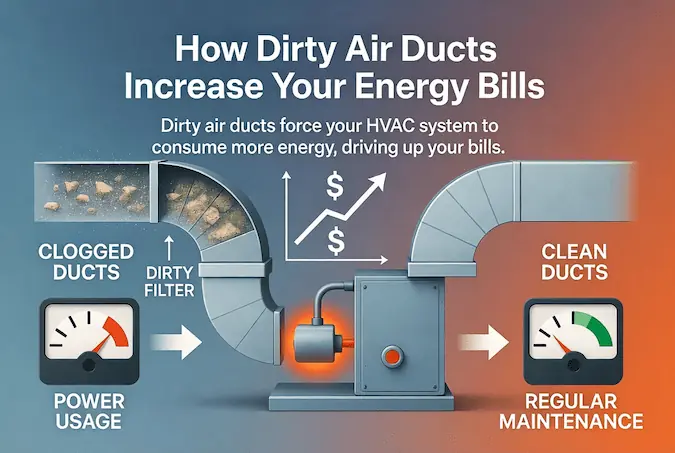
Have you noticed that your energy bills are rising even though you use your HVAC system the same way? Dirty air ducts may be one thing worth checking, but they are not always the main cause. Dust, debris, blocked airflow, duct leaks, and poor maintenance can all affect how well your heating and cooling system works. Understanding the real problem can help you avoid wasted energy and unnecessary repairs. Here is what dirty ductwork can do and when professional help may make sense.
How Dirty Air Ducts Can Affect HVAC Efficiency
Your HVAC system needs good airflow to heat or cool your home properly. If a filter is clogged or system components have heavy dirt buildup, airflow may become restricted.
Dirty ductwork can also contain dust and debris that may affect airflow in some situations. When the system has to work harder to move conditioned air, it may run for longer periods. Professional Duct Cleaning Services can help address dust and debris buildup within the ductwork and support better airflow throughout your home.
However, it is important to know that dirty air ducts alone do not always cause higher energy bills. Research and industry guidance do not support the idea that every dusty duct system automatically wastes a large amount of energy. The condition of the entire HVAC system matters more than dust alone.
Duct Leaks May Be a Bigger Problem
If you are worried about high HVAC energy costs, check for duct leaks as well. Ducts can develop gaps, loose connections, or damaged sections. If conditioned air escapes before reaching your rooms, your HVAC system may need to run longer to reach the temperature on your thermostat. This can reduce comfort and may increase energy use.
For example, you may notice that some rooms stay too warm in summer or too cold in winter. You may also hear unusual sounds from the ductwork or notice airflow that feels weaker than expected.
A professional HVAC technician can inspect the duct system and look for leaks, damage, insulation problems, and airflow restrictions.
What Can You Do to Reduce Energy Waste?
Start with simple HVAC maintenance. Check your air filter and replace it according to the manufacturer’s instructions. A clogged filter can restrict airflow and make the system work harder.
Keep supply and return vents open and clear. Furniture, curtains, or other objects should not block them. You can also reduce dust by vacuuming carpets and rugs, cleaning surfaces, and controlling pet hair. These simple habits help reduce the amount of debris that enters the HVAC system.
If you suspect dirty ductwork, do not automatically book cleaning without an inspection. Ask a qualified professional what they found and why cleaning is recommended. Professional air duct cleaning may be useful when there is significant debris or another clear reason, but it should not be treated as a solution for every high energy bill.
When Should You Get Professional Help?
If your HVAC system has weak airflow, uneven temperatures, unusual smells, or rising energy costs, it is worth having the system checked. A trained technician can inspect the filter, blower, coils, ductwork, airflow, and other important components. This helps identify whether the problem is dirty ducts, a duct leak, poor insulation, a mechanical issue, or something else.
Regular maintenance can also help catch small problems before they become expensive repairs. The main point is simple: dirty air ducts can sometimes affect HVAC performance, but they are only one possible cause of energy waste. Good filters, sealed ducts, clear vents, proper maintenance, and a well-working HVAC system all play a role in keeping energy use under control.
Before paying for cleaning, find the cause of the problem first. That approach can save money and help your HVAC system work more efficiently.