

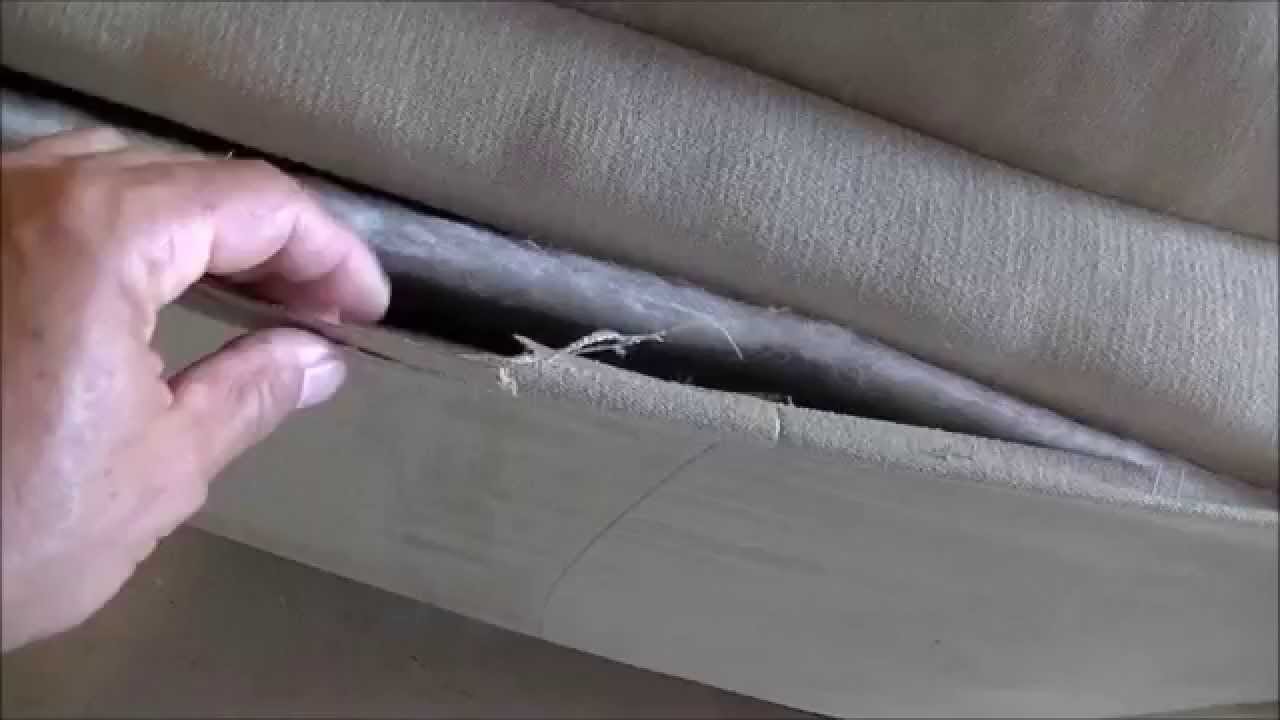
Couch seams may look strong, yet they often weaken when exposed to changing temperatures. In many homes, materials expand during heat and shrink during cold conditions. Because of this, vinyl & leather repair professionals always consider temperature before starting any repair work. When people learn how to fix a rip in a couch cushion, they often focus on stitching, yet environmental conditions also play an important role. Moreover, ignoring temperature effects may lead to repairs that fail sooner than expected.
In regions like Orillia, seasonal shifts are noticeable throughout the year. Local climate summaries show that winter temperatures often drop well below freezing while summer days can become warm and humid, which places stress on upholstery materials. Therefore, understanding temperature impact helps homeowners make smarter repair choices.
How Cold Weather Affects Couch Seam Repairs
Cold temperatures make vinyl and leather materials stiff and less flexible. As a result, stitching through a cold surface may cause cracks or uneven seams. Therefore, experts usually warm the material slightly before beginning repairs. This step helps improve flexibility and reduces the chance of tearing.
When learning how to fix a rip in a couch cushion, working in a warm indoor space is recommended. Additionally, in many vinyl & leather repair tasks, professionals allow the material to adjust to room temperature before stitching begins. This preparation ensures that threads pass smoothly through the surface and form secure seams.
The Impact of Heat and Humidity on Materials
Warm temperatures can also affect couch materials in different ways. During hot weather, vinyl may soften and stretch more easily. Although this flexibility can help with stitching, too much heat may weaken adhesives or cause uneven seams. Therefore, balanced indoor temperatures create the best repair environment.
Humidity also plays a role in repair success. High moisture levels may weaken thread strength and affect adhesive performance. In Orillia, where summer humidity can rise during warmer months, maintenance observations suggest that indoor climate control helps protect upholstery materials from premature wear. Consequently, managing heat and moisture supports reliable repair results.
Preparing Couch Seams for Temperature Changes
Preparation is an important step before any repair begins. First, inspect the damaged seam carefully to check for signs of dryness or cracking. If the material feels stiff, conditioning solutions can restore flexibility. Additionally, allowing the couch to rest in a stable indoor temperature prevents sudden material movement.
During how to fix a rip in a couch cushion, using strong thread and evenly spaced stitches improves durability. In many vinyl & leather repair projects, technicians also use backing patches to support weak areas. As a result, the seam remains secure even when temperatures shift later.
Long-Term Benefits of Temperature Awareness
Understanding how temperature affects repairs helps extend the life of furniture. When materials are handled in the right environment, repairs last longer and maintain their appearance. Furthermore, proper temperature management reduces the need for repeated fixes.
In communities such as Orillia, where furniture is often used throughout long winters indoors, maintaining comfortable indoor conditions has become more common. Local home care observations show that regular upkeep and climate control help protect upholstered furniture from seasonal stress. Therefore, temperature awareness supports both comfort and durability.
Temperature changes do affect the way couch seams should be repaired. Cold weather can make materials stiff, while heat and humidity may weaken adhesives or thread strength. By following proper steps for how to fix a rip in a couch cushion and using reliable vinyl & leather repair methods, homeowners can achieve stronger and longer-lasting repairs. Ultimately, controlling temperature conditions ensures that repaired seams stay neat, secure, and dependable for years.